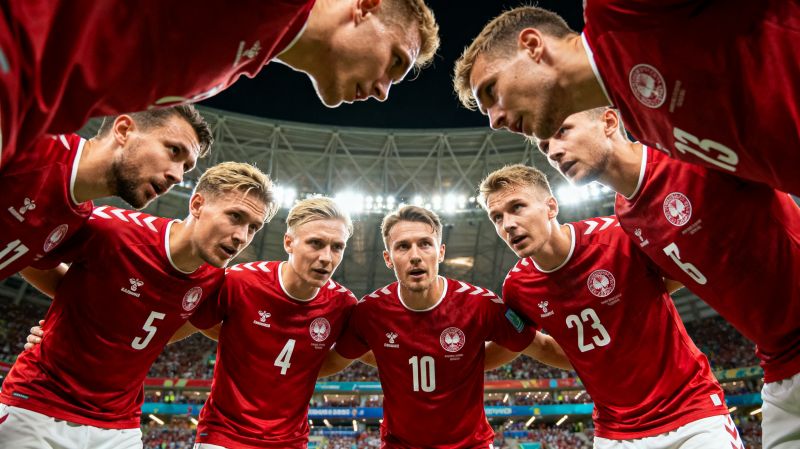
he World Cup European Play-offs are not a lottery. They are a meat grinder. Twelve teams, three spots, and a format that turns a solid qualifying campaign into a single 90-minute referendum on a manager's career. I watched Portugal stumble through the 2010 cycle and then eviscerate Bosnia in the play-off. Same squad, different animal. That is the play-off effect: it compresses months of nuance into a night where a miscontrolled touch becomes a national trauma.The draw itself is a narrative engine. In 2013, France drew Ukraine and lost 2-0 in Kyiv. The return leg in Paris was a frenzy—three goals, a red card, and a stadium that felt like it might lift off. That tie had everything the play-offs promise: a favored team on the ropes, a hostile crowd。and a referee who needed a police escort at halftime. UEFA's decision to seed the draw based on the FIFA ranking adds a layer of cold arithmetic to the drama. Higher-ranked teams get the second leg at home, which statistically tilts the odds—but only slightly. The play-offs are where the ranking system goes to die.Consider the 2018 path. Italy, four-time champions, drew Sweden. The first leg in Solna was a 1-0 slog, decided by a deflected shot that ricocheted off a defender's heel. In Milan, Italy threw 27 crosses into the box and completed none of them. The post-match image of Buffon crying on the San Siro pitch is the play-offs in a single frame: legacy means nothing。
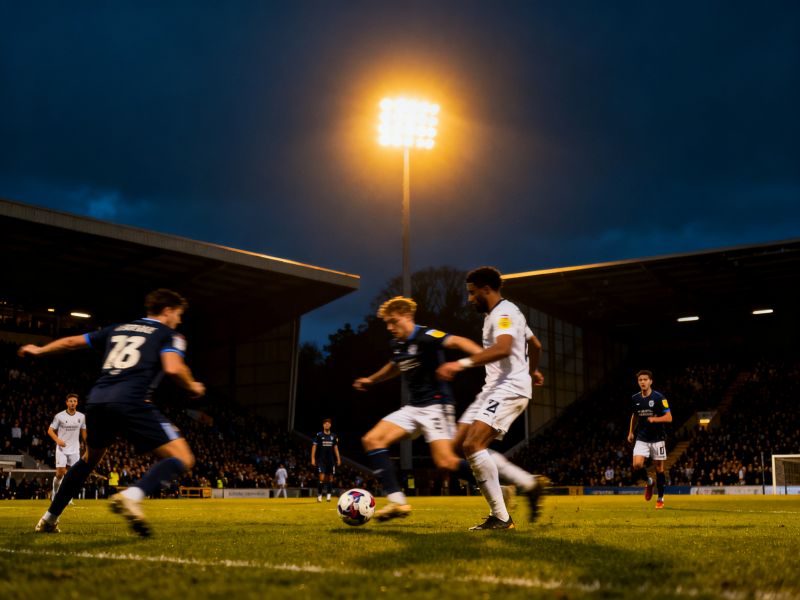
and the ball doesn't care about your history. Sweden defended like a team of locksmiths—patient, precise, unglamorous. They went to the World Cup. Italy stayed home for the first time in 60 years.What makes the World Cup European Play-offs so vicious is the scheduling. Players arrive from club duty on Monday, train twice, and play Thursday. The manager has roughly 48 hours to install a game plan and convince a squad of millionaires to run through walls for a cause they've known about for six months. Tactical identity gets stripped to its bones. You see more 5-4-1 formations in the play-offs than in any other competition on earth. Coaches don't experiment here. They survive.My take: the play-offs are the most honest football Europe produces. No group-stage cushion, no away-goals rule to hide behind anymore—just two legs and a penalty shootout if the football gods demand it. The format is cruel, and that's the point. It rewards teams that can absorb pressure and punish the single mistake. Portugal in 2022, North Macedonia in 2022—the small nations have figured out that a low block and one set piece can topple a giant. That's not a bug in the World Cup European Play-offs. It's the entire feature.